Home / About

About the Programme

A five-year ecosystem restoration and climate-resilience programme under the Great Green Wall Initiative, restoring degraded drylands across Kebbi State, Nigeria.

Project Background

Why IDERRCN?

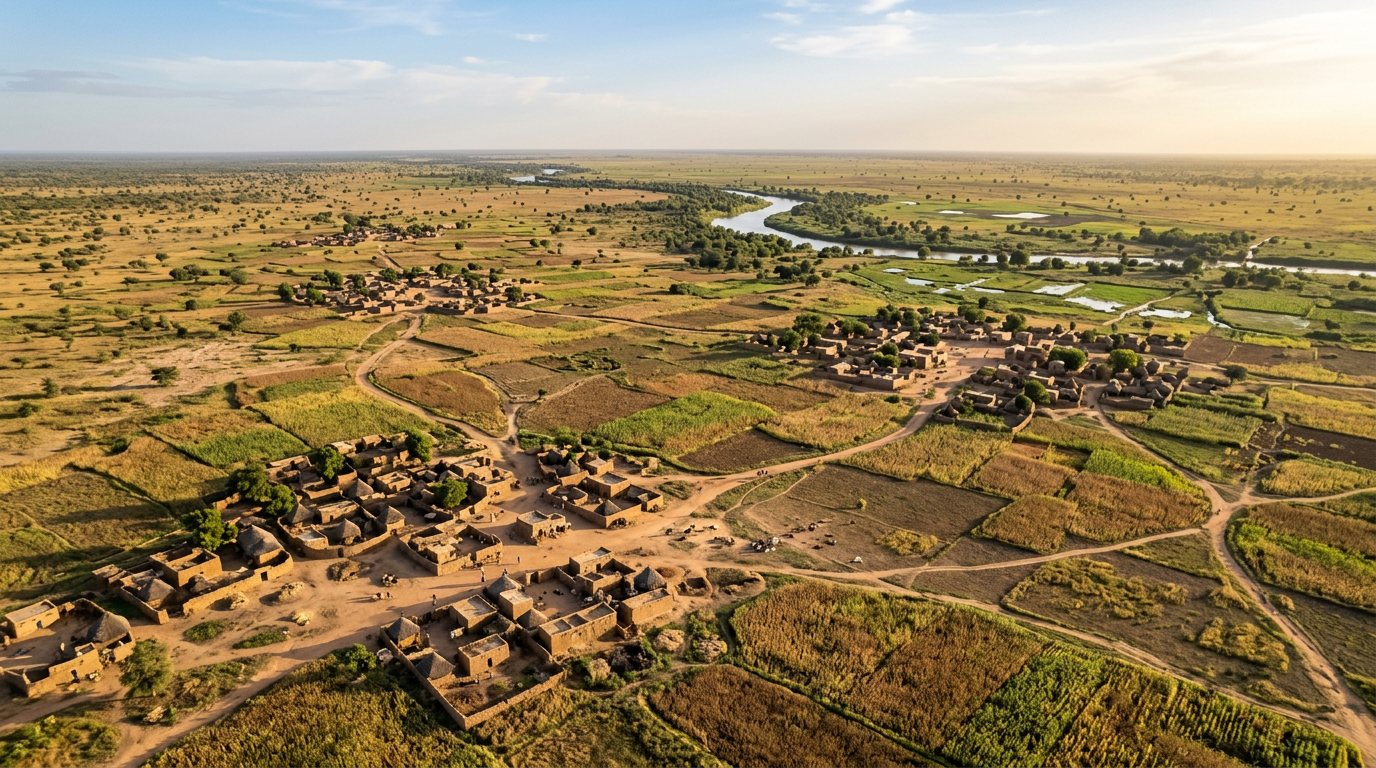
Nigeria faces accelerating land degradation, desertification, biodiversity loss, drought, food insecurity and climate-change impacts. Over 43% of Nigeria's landmass is affected by desertification and degradation, and Kebbi State is among the most vulnerable regions.

IDERRCN responds by restoring degraded ecosystems through agro-sylvo-pastoral practices, strengthening institutional capacity, and promoting climate-resilient value chains and women-led enterprises โ€” directly supporting the Great Green Wall Initiative.
Land degradationDesertification Biodiversity lossDrought Food insecurityClimate change
Dryland landscape in Kebbi State

The Goal

To restore degraded ecosystems through agro-sylvo-pastoral practices and strengthened institutional capacity while promoting climate-resilient value chains and women-led enterprises.

Implementing Agencies

  • National Agency for the Great Green Wall (NAGGW)
  • UNEP (GEF Agency)
  • Government of Nigeria
  • Kebbi State Government

Duration & Scale

A 60-month programme targeting 5,500 hectares restored and 900,000 beneficiaries (450,000 women) across five LGAs.

Project Area

Five LGAs in Kebbi State.

The programme operates across five Local Government Areas on the front line of desertification.

Hover or tap any LGA centre to view restoration, sites and beneficiaries ยท click to open the GeoPortal.

Theory of Change

How change happens.

From inputs to lasting impact โ€” IDERRCN's pathway to restored, resilient drylands.

STEP 01

Strengthen Institutions

Coordination platforms, technical capacity and gender-responsive policy.

STEP 02

Restore Ecosystems

Agroforestry, FMNR, watershed and soil conservation across 5,500 ha.

STEP 03

Build Livelihoods

Climate-resilient value chains and women-led enterprises.

STEP 04

Monitor & Learn

Real-time data, GIS analysis and adaptive management.

STEP 05

Lasting Impact

Resilient communities, recovered land, restored biodiversity.